
Iran protests updates: India Plans Evacuation of Nationals as Unrest Intensifies Across Iran
January 16, 2026 | New Delhi / Tehran
Iran protests updates dominated diplomatic and security discussions on Thursday as India began preparations to evacuate its nationals from Iran amid escalating nationwide unrest. Official sources confirmed that the Ministry of External Affairs (MEA) has activated contingency plans after protests triggered by economic distress and a traders’ strike spread rapidly across several Iranian cities.
According to officials, the Indian Embassy in Tehran has started contacting Indian citizens to assess numbers and locations, a key step in planning possible evacuation flights. The reopening of Iranian airspace on January 15, after a brief closure a day earlier, has improved the feasibility of airlift operations, although officials cautioned that logistical and security coordination with Iranian authorities would remain critical.
The latest Iran protests updates come as concerns grow over the safety of foreign nationals, particularly students, pilgrims, and business professionals residing in major urban centres such as Tehran, Qom, Esfahan, and other cities.
Iran protests updates: India activates evacuation planning
MEA sources said evacuation planning gathered momentum after External Affairs Minister S. Jaishankar spoke with his Iranian counterpart, Seyed Abbas Araghchi, on January 14 to review the evolving situation. While no formal evacuation order has been issued yet, preparations are being made to ensure a swift response if conditions deteriorate further.
Indian officials noted that communication challenges persist due to internet restrictions imposed by Iranian authorities. A nationwide internet shutdown, now in its second week, has complicated outreach efforts, making embassy-led coordination more time-consuming.
These Iran protests updates indicate that India is following standard crisis-response protocols used in previous overseas emergencies, including mapping the distribution of nationals and identifying safe transit corridors to airports.
Protests spread nationwide amid economic distress
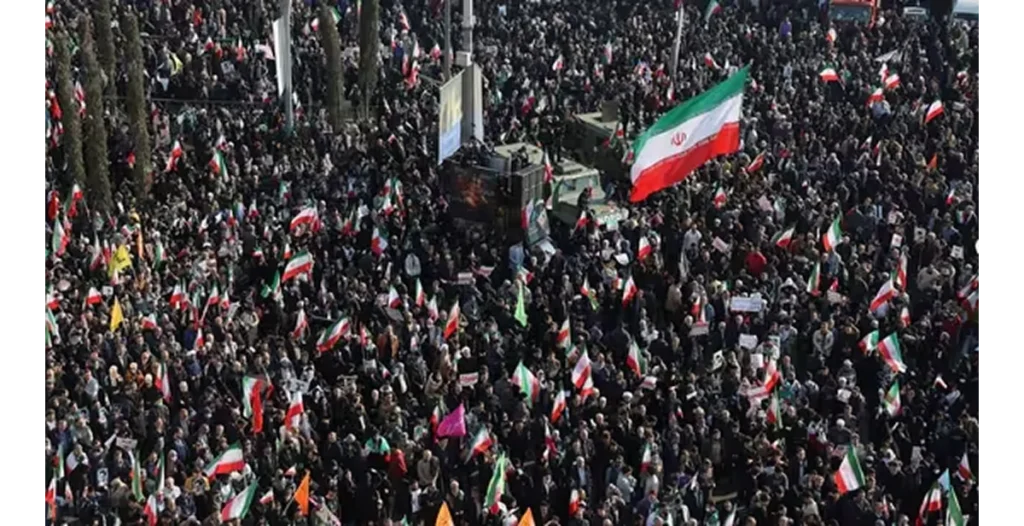
The ongoing unrest began earlier this month following a strike by traders protesting rising prices, job losses, and a sharply falling currency. The demonstrations quickly spread across Iran and, according to Iranian officials, have turned violent in several areas since January 3.
An Iranian government official stated earlier this week that around 2,000 people have been killed during clashes linked to the protests. Independent verification of the figures remains difficult due to restrictions on media and internet access, a factor frequently highlighted in Iran protests updates by international observers.
NetBlocks, a global internet monitoring group, said Iran entered “digital darkness” a week ago after authorities imposed a near-total shutdown. Activists fear the blackout is intended to limit the flow of information about the scale of the crackdown.
Iran protests updates draw global diplomatic response
The situation in Iran has prompted reactions from several countries. The United States on Thursday announced new sanctions against five Iranian officials accused of overseeing the crackdown on protesters. US Treasury officials said they were tracking alleged financial movements by Iranian leaders, signalling increased international pressure on Tehran.
Canada also raised concerns after confirming the death of a Canadian citizen in Iran, allegedly involving Iranian authorities. Ottawa described the protests as peaceful demonstrations met with severe repression, adding to the growing diplomatic scrutiny reflected in recent Iran protests updates.
Meanwhile, Gulf nations including Saudi Arabia, Qatar, and Oman reportedly engaged in behind-the-scenes diplomacy to discourage any escalation into military conflict, urging restraint and dialogue.
India monitors situation closely
Indian authorities stressed that there is no immediate panic but acknowledged that the fluid security situation requires constant monitoring. Officials said evacuation flights, if launched, would depend on continued access to Iranian airspace, airport security conditions, and cooperation from local authorities.
India has previously conducted large-scale evacuations from conflict zones, and officials said lessons from those operations are being applied in the current planning process. These Iran protests updates underscore the importance New Delhi places on safeguarding its citizens abroad while maintaining diplomatic engagement.
At present, Indian nationals have been advised to remain in touch with the embassy, avoid large gatherings, and follow local advisories. Embassy officials are also working to identify vulnerable individuals who may need priority assistance.
Situation remains fluid
As protests continue and international reactions intensify, the situation in Iran remains unpredictable. While airspace reopening has provided a logistical window, officials emphasised that any evacuation would be carefully calibrated to ground realities.
The latest Iran protests updates reflect a complex mix of domestic unrest, international concern, and diplomatic caution. For India, the focus remains on preparedness rather than alarm, ensuring that mechanisms are in place to act quickly if circumstances demand.